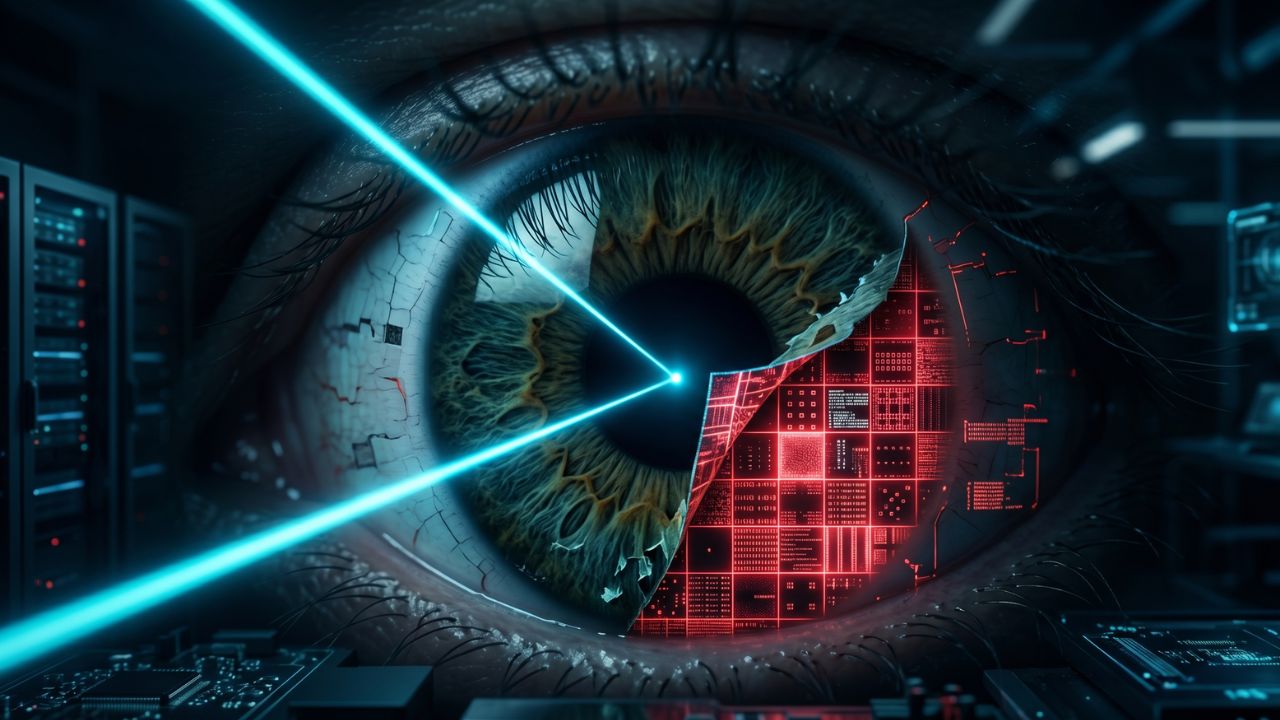
Welcome to the complex world of digital forensics. Today, spotting deepfakes requires more than eyes. Consequently, experts rely on advanced technology. You must use a powerful ai image detector to verify modern media. First, we will uncover the secret flaws hidden inside Midjourney generations. These hidden marks are often invisible to humans. However, a trained algorithm finds them instantly. Indeed, understanding this technology boosts your digital literacy. We will explore forensic science, pixel analysis, and file metadata. Therefore, you will learn exactly how these systems protect us daily. Get ready to explore the fascinating science of visual verification.
Why You Need a Reliable AI Image Detector Today
The internet moves incredibly fast right now. Every day, millions of synthetic pictures flood our social feeds. Therefore, distinguishing fact from fiction is quite difficult. A basic visual check is simply no longer enough. Furthermore, if your ai image detector misses pixel noise, you are liable. You need a robust system to catch these sophisticated fakes.
Importantly, latent diffusion models create highly realistic outputs. Midjourney and DALL-E blend colors with mathematical precision. However, they still leave behind tiny digital footprints. Consequently, cyber teams must scan every file for these hidden anomalies. Security experts heavily rely on these automated tools. Ultimately, visual security prevents widespread fraud and digital misinformation.
How an AI Photo Detector Spots Rendering Artifacts
Rendering an image takes massive computational power. During this process, models create common rendering artifacts. For instance, you might see blurry backgrounds or weird shadows. First, an ai photo detector scans the core pixel grid. It looks for unusual patterns that humans cannot naturally draw.
Furthermore, the software checks the frequency domains of the file. Natural photos have a very specific spread of visual noise. Conversely, synthetic files show strange spikes in this data. Therefore, the detection software flags these unnatural frequency spikes instantly. This method proves highly reliable for modern cybersecurity tasks.
Analyzing the Data with Deepfake Image Scanners
A strong defense requires multiple layers of verification. Therefore, experts combine several testing methods together. They use deepfake image scanners to cross-reference known synthetic patterns. These scanners compare your file against millions of generated examples. Consequently, the system learns what fake textures look like over time.
Indeed, checking human faces remains a massive challenge. Can an ai image detector accurately flag AI-generated human faces?. Yes, they specifically look for asymmetrical eyes or weird teeth. First, the algorithm isolates the facial features. Next, it measures the exact distance between the pupils. If the math fails, the tool rejects the photo immediately.
Using ImageAI Custom Object Detection Effectively
Sometimes, you need to verify specific parts of a picture. This is where imageai custom object detection becomes highly useful. This technology isolates cars, buildings, or products within the frame. First, it separates these items from the main background. Then, it analyzes the lighting on each individual object.
Furthermore, fake models often struggle with consistent lighting directions. The sun might shine from two different angles simultaneously. Consequently, the detection tool highlights these impossible physics right away. This targeted approach saves investigators countless hours of manual review.
The Role of C2PA Metadata in Verification
Visual inspection only provides one piece of the puzzle. Therefore, we must also examine the hidden file data. Many new cameras and tools attach special code to files. This specific code is called C2PA metadata. Do ai image detectors look at C2PA metadata?. Yes, modern tools absolutely check this digital signature first.
This metadata tracks the complete history of the file. It shows exactly when and how the picture was created. You can read more about this on the C2PA Standard website. First, the software reads this embedded history log. Next, it confirms if a generative model altered the pixels. This creates a highly transparent chain of custody for journalists.
Can Compression Trick an AI Image Detector?
Many users try to bypass security filters by altering files. They often compress the picture to hide the synthetic noise. Can compressing an image bypass an ai image detector?. Historically, heavy compression did cause significant problems for older scanners. The compression destroys the fine pixel details used for early detection.
However, modern tools use advanced machine learning to adapt. They now look for broader structural issues instead of tiny noise. Furthermore, they analyze the compression blocks themselves for tampering. Consequently, simply saving a file as a low-quality JPEG fails. The newest ai image detector models still catch these tricks easily.
Exploring Methods to Detect AI Pictures
Education remains your best defense against digital deception. Everyone should learn how to detect ai pictures effectively. First, you must observe the overall composition of the scene. Often, generative models create confusing backgrounds that lack logical sense. Next, examine text or signs visible in the background closely.
Furthermore, models notoriously struggle to generate readable letters and numbers. They usually create alien-looking symbols instead of real words. Therefore, spotting fake text remains a very easy manual trick. For broader security, explore our guide on the artificial intelligence detector protocol. We cover comprehensive strategies to secure your digital workflow entirely.
Protecting Assets with Deepfake Image Scanners
Cybersecurity requires constant vigilance and updated software. You cannot rely on yesterday’s tools to fight today’s threats. Importantly, criminals constantly improve their synthetic generation pipelines. Consequently, you must regularly update your detection protocols and systems. This ensures your defenses catch the latest Midjourney versions effectively.
Furthermore, integrating verification into your daily routine is crucial. Checking digital facts should become a regular habit. Much like checking a Lottery Sambad result for accuracy, verify media carefully. You must confirm the source before trusting any viral photograph online. We also recommend reading about hidden ai voice detector risks. Complete security means checking both audio and visual files together.
Understanding the Math Behind the Pixels
Every digital photograph consists of a massive mathematical grid. Consequently, computers view pictures merely as numbers and precise coordinates. A standard ai image detector analyzes this hidden mathematical structure. First, it breaks the picture down into small color blocks. Next, it calculates the variance between adjacent pixel values rapidly.
Natural photos captured by lenses have organic, random pixel variations. However, synthetic files display highly organized mathematical patterns. Therefore, the detection software simply solves this mathematical puzzle. Furthermore, this pixel analysis happens in just a few seconds. Ultimately, math provides the most reliable way to spot fakes.
Why Frequency Domain Analysis Matters
Scientists use complex tools to study digital visual frequencies. They transform the pixel grid into a frequency map quickly. This process reveals the invisible waves of data within images. First, low frequencies represent the broad shapes and colors. Conversely, high frequencies represent the sharp edges and fine details.
An ai image detector heavily relies on this specific frequency analysis. Generative models usually struggle to recreate high-frequency details perfectly. They often leave behind a noticeable lack of sharp pixel noise. Therefore, the algorithm flags this missing high-frequency data immediately. This scientific approach catches fakes that look perfect to humans.
The Legal Risks of Ignoring AI Photo Detector Warnings
Businesses face severe consequences if they publish fake content. Trust takes years to build but seconds to completely destroy. Furthermore, if your ai image detector misses pixel noise, you are liable. Therefore, corporate teams must implement strict verification workflows daily. Failing to do so invites serious legal and financial trouble.
Many legal frameworks now require absolute proof of digital authenticity. You cannot simply claim ignorance if you share fraudulent material. First, companies must log every file they publish online securely. Next, they must prove they ran adequate digital detection scans. Consequently, using an ai image detector becomes a legal necessity today.
Corporate Liability and Visual Proof
Agencies handling client materials face even greater legal pressure today. Copyright issues and synthetic content can ruin entire marketing campaigns. Therefore, agencies must document their visual verification steps meticulously. First, they scan all incoming freelance files using advanced tools. Implementing this workflow isolates IP risks instantly.
Furthermore, maintaining a clean digital record prevents costly future lawsuits. You must securely store the reports generated by your software. These reports serve as concrete visual proof during legal disputes. Consequently, investing in an ai image detector saves money long-term. Protecting your brand identity requires this advanced level of strict security.
The Forensic Artifact Checklist to Verify AI Pictures
Forensic experts follow strict rules when analyzing digital media. How do forensic experts use ai image detectors?. They combine software results with manual scientific analysis carefully. First, they run the image through multiple algorithmic scanners. Next, they document every single anomaly found by the tools.
Furthermore, they use a specific forensic artifact checklist to verify findings. This checklist includes lighting checks, texture analysis, and metadata extraction. Therefore, they build a comprehensive report proving the file’s origin. By following these strict steps, they maintain legal standards perfectly. You can explore similar guidelines at the NIST Forensics database online.
Maintaining High Ethical Standards Online
We must use these powerful detection tools responsibly always. False accusations can ruin reputations and cause serious emotional harm. First, always double-check your detection results before making public claims. Second, understand that no tool offers absolutely perfect accuracy yet. False positives do happen, especially with highly edited traditional photography.
Consequently, you should view detection scores as probabilities, not facts. Use them to guide your judgment, rather than replacing it. Furthermore, educating others about these limitations builds a safer internet. We strive to provide transparent, educational information for everyone here. Always prioritize learning and ethical behavior in your daily digital life.
Frequently Asked Questions
Here are some common questions about visual verification tools. First, understanding these answers helps clarify complex digital security concepts. Furthermore, reviewing FAQs builds a stronger foundation of essential knowledge.
- What is the most accurate ai image detector for Midjourney v6?
Currently, enterprise tools that analyze specific structural noise work best. They actively update their databases to catch version 6 artifacts. - Can an ai image detector spot DALL-E 3 edits in real photos?
Yes, they can detect where real pixels meet generated ones. The software highlights the boundary lines of the edited sections. - Is there a reliable ai image detector free extension for Chrome?
Several free extensions exist for casual browser use today. However, professionals should always use dedicated, enterprise-grade software instead. - How do journalists verify war photography using AI detectors?
Journalists combine automated detection with rigorous manual fact-checking protocols. They also verify the source metadata and geographical shadows carefully.
Conclusion and Final Educational Thoughts
Navigating the modern digital landscape requires sharp critical thinking skills. You now understand how an ai image detector actually functions. These tools analyze pixel grids, metadata, and hidden rendering artifacts. First, remember that spotting deepfakes requires more than eyes. Therefore, leveraging advanced technology is essential for accurate visual verification.
Furthermore, staying educated helps you avoid online scams and misinformation. We hope this deep dive expanded your digital forensic knowledge greatly. Remember, lotterysambadresult.news is purely an informational platform for our readers. We focus strictly on education, digital safety, and providing clear facts. Always approach online media carefully and encourage responsible digital habits.